

Cody Gallo/Unsplash
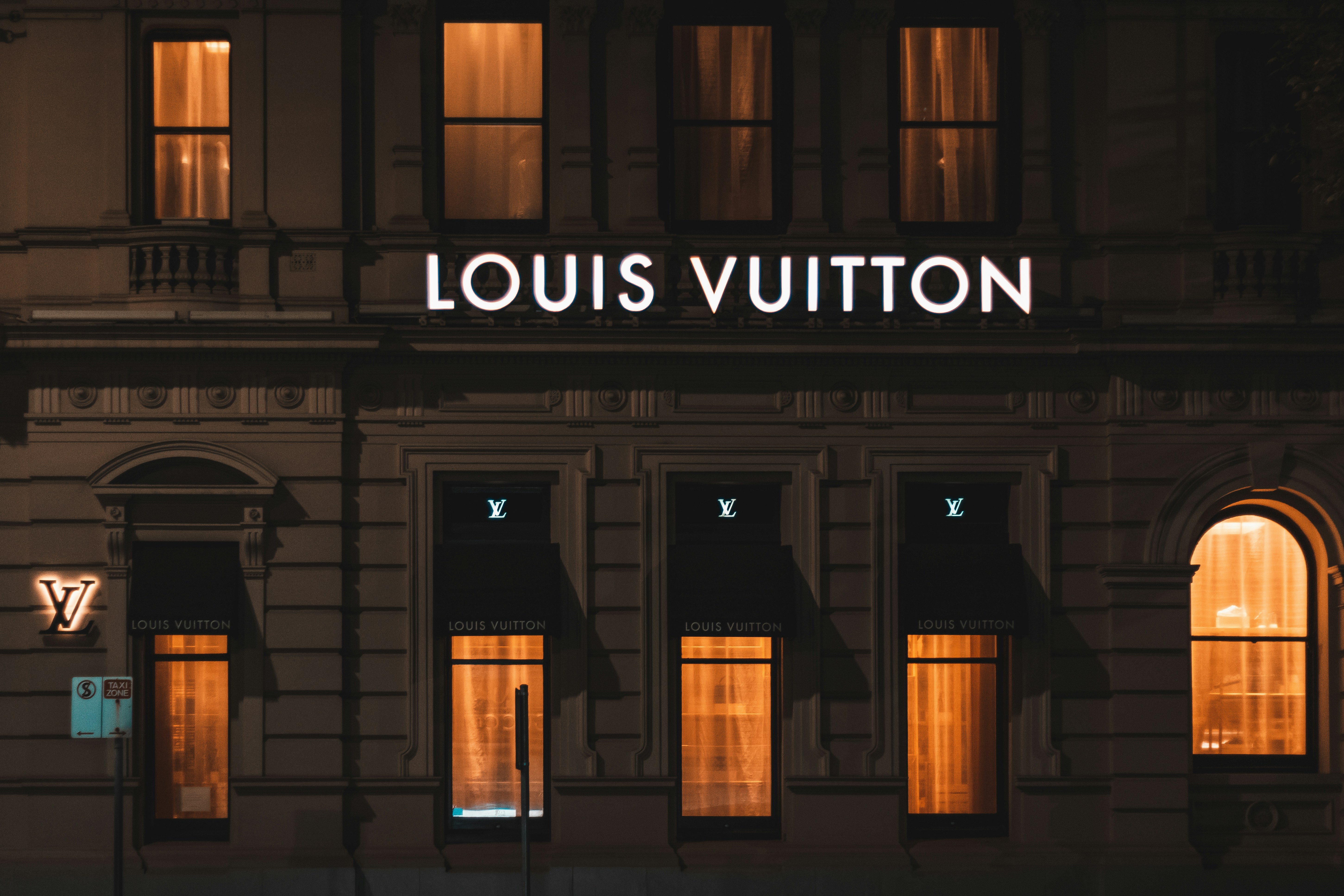
PARIS — In a major strategic pivot, LVMH Chairman and CEO Bernard Arnault has officially announced that Louis Vuitton will not launch a hotel brand or open a permanent hotel property.
For years, intense industry speculation and municipal building permits suggested that the historic trunk-maker’s massive construction site at 103–111 Avenue des Champs-Élysées would debut as the first-ever Louis Vuitton Hotel. However, Arnault definitively clarified the company’s direction during LVMH’s annual financial presentation, stating: “Vuitton will not create a hotel. Vuitton is focusing rather than diversifying.”
The Strategic Focus Behind the Decision
From a brand equity and marketing perspective, LVMH’s decision reveals a disciplined approach to portfolio management and asset allocation:
- Prioritizing Focus Over Diversification: Unlike sister brand Dior, which continues to expand into lifestyle spaces, LVMH leadership wants to shield Louis Vuitton from the operational complexities of the commercial hospitality market.
- Preserving Brand Equity: By keeping the maison strictly tied to retail and its heritage of leather craftsmanship, LVMH prevents the brand dilution that can occur when luxury houses over-extend into unrelated industries.
Rewriting the Blueprint for the Champs-Élysées Site
The famous building—currently hidden behind a giant, spectacular Louis Vuitton monogrammed trunk facade—is being repurposed. Instead of a commercial ultra-luxury hotel, the location will serve as a massive retail flagship, cultural event space, public spa, and contemporary art gallery. Early architectural plans for public guest rooms have been downsized to just six private suites reserved exclusively for VIP corporate hospitality and private brand events.
The Marketing Takeaway: Experiential vs. Permanent
While Louis Vuitton will not enter commercial hospitality, the brand will continue to leverage “hotel concepts” for marketing activations. Its recent temporary, experiential pop-ups—like the “Louis Vuitton Hotel” immersive installations in London and Bangkok—will continue to generate significant engagement. These temporary concepts feature themed cafés and faux check-in lobbies to honor their travel heritage, but they strictly do not allow commercial overnight stays.
For high-end marketers, Louis Vuitton’s pivot sends a clear message: temporary experiential marketing is an excellent tool to drive brand energy, but permanent extensions must never compromise the core business identity.