
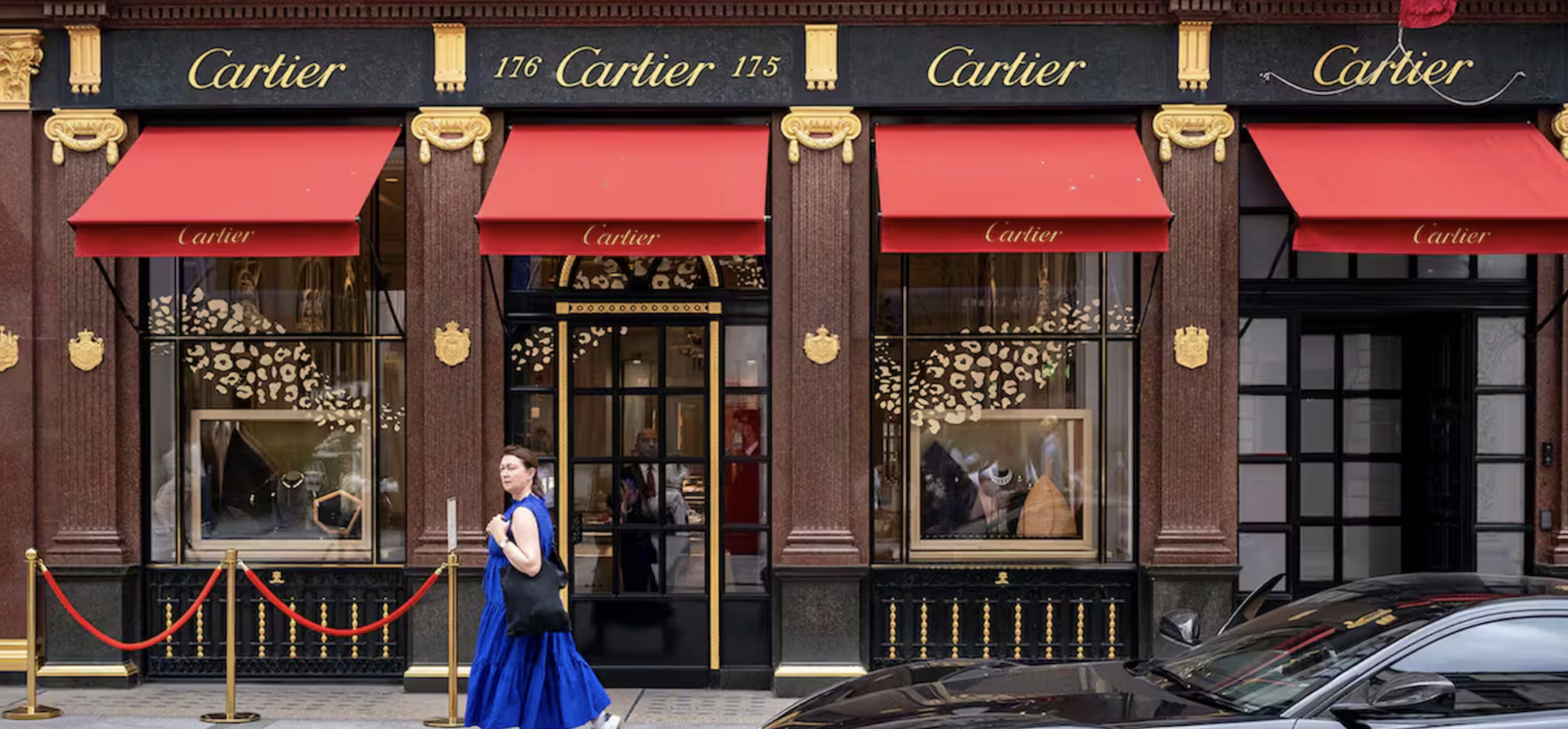
Richemont’s recent financial results expose a widening performance gap across the global luxury sector, highlighting that the industry downturn is hitting categories and brands unevenly. The Swiss conglomerate—owner of prominent brands like Cartier and Van Cleef & Arpels—beat expectations with a 13% rise in recent first-quarte r sales to $6.27 billion, demonstrating how hard luxury is outperforming soft luxury

Category Divergence
- Jewelry Powerhouse: Jewelry continues to drive sector growth and insulate the group. Richemont’s jewelry maisons outperformed the industry benchmark (LVMH‘s fashion and leather goods division) by 18 percentage points, showing that affluent consumers view high-end jewelry as a resilient store of value.
- Watch Stabilization: The global demand for high-end watches has decelerated from its pandemic-era boom. This is forcing disciplined production cuts, though top-tier heritage watch brands remain more stable than mid-market options.
- Fashion Under Pressure: Soft luxury, clothing, and lifestyle accessories face the steepest declines due to “collaboration fatigue,” high customer acquisition costs, and shifting consumer preferences away from logo-heavy fashion. [1, 2, 3, 4, 5, 6, 7, 8]
Geographic Imbalances
- The West and Japan Hold Steady: Strong, resilient demand in the United States and Europe, coupled with exceptional tourism-driven luxury spending in Japan, has provided a critical buffer for global brands.
- The China Slump: Economic headwinds, weak real estate markets, and changing consumer priorities in China continue to drag down sales, causing double-digit retail declines across major luxury hubs.
- Middle East Geopolitical Friction: Regional conflicts have sharply weighed on local consumer confidence, triggering steep drop-offs in Middle Eastern retail performance